
It happens to everyone: those days when your facial skin feels tight, turns red, looks dull, and fine lines appear more pronounced. If you’re wondering how to deal with dry facial skin, effective natural remedies do exist—and they often start with a clear understanding of the skin barrier. With age and with an environment that doesn’t always work in our favor (dry indoor air, temperature changes, pollution, UV rays), the skin’s hydrolipidic film tends to weaken. Small invisible “micro-cracks” form on the skin’s surface, accelerating water loss and triggering that tight-skin sensation. In this article, I’ll take you behind the scenes of skin physiology, showing you the real causes of dryness and the practical tools—from oils to butters to waxes—to seal micro-fractures and restore comfort, elasticity, and radiance to your skin.
We’ll talk about how Oleage’s water-free philosophy uses functional lipids and humectants to rebuild the protective barrier. You won’t find miracle promises here, but a practical guide to hydrate, nourish, and protect your skin in everyday situations: from returning to the office with the heating on, to a weekend at the beach, from seasonal changes to periods of stress. The goal? Healthy, soft, elastic, and truly comfortable skin, day after day.
If you’re dreaming of an essential approach that combines science, natural ingredients, and visible results, you’re in the right place: we’ll look at how to choose products, how to apply them, and above all how to build habits that help keep your skin hydrated for longer, with a focus on the specific needs of your skin.
Before talking about remedies, it’s worth clarifying the causes that lead the skin to become dry. The main causes include aging (which reduces lipid production and the skin’s ability to retain water in the deeper tissues), environmental exposure (wind, cold, sun), air conditioning and heating, harsh cleansers that strip away lipids and the skin’s natural moisture, and skincare routines that aren’t suited to your skin type.
On top of that comes predisposition: dry skin can be constitutional, while dehydrated skin can be temporary and linked to environmental factors or incorrect products. Have you ever switched creams and noticed your skin got worse? It’s no coincidence—unbalanced ingredients can dry out the skin if used in excess or at the wrong time.
When it comes to causes and remedies, the key is working on the skin’s protective barrier, the hydrolipidic film. If this layer is compromised, the skin becomes rough and fragile. This is where natural oils, butters, and waxes come into play: they create a protective veil that reduces water loss (TEWL), helps soothe and hydrate the skin, restores surface lipids, and seals micro-cracks to promote elasticity.
The skin’s hydrolipidic film is a blend of water, fatty acids, cholesterol, and ceramides that covers the skin’s surface like an elastic sheath. It works like a seal: it keeps internal hydration in and blocks external factors out. With age, ceramides decrease; with cold weather or overly stripping cleansers, the seal loosens. The result? Increased transepidermal water loss and the appearance of dry skin.
Micro-fractures are tiny gaps between the “bricks”—the barrier cells, the corneocytes—which make it easier for water to evaporate and for irritants to penetrate. That’s why you feel immediate relief when you apply an Oleage waterless cream or serum: it temporarily “closes” those spaces.
On a practical level, this skin dehydration explains the tight feeling you get after cleansing. The good news is that the barrier is “plastic”: with the right lipids and habits, it reshapes itself. Dermatological studies describe lamellar restructuring in 2–4 weeks with balanced ceramides, fatty acids, and cholesterol.
In this context, causes and natural remedies intertwine: if you reduce the factors that damage the barrier and add skin-compatible lipids like oils, waxes, and butters, healthy and hydrated skin becomes a realistic goal. Remember: an efficient hydrolipidic film makes the skin comfortable, elastic, and less reactive.
When the barrier is intact, the skin’s ability to retain water is high and hydration stays stable. But if micro-cracks appear between corneocytes and the lipid lamellae (ceramides, fatty acids, and cholesterol) are disrupted, the water in the tissue beneath the epidermis evaporates more quickly, and dehydrated skin can become prone to itching, redness, and contact irritation. This explains dry and itchy skin after a windy day or time spent in heated environments. When the skin’s hydrolipidic film is depleted, it’s no longer an “intelligent” barrier: it lets irritants through and doesn’t hold moisture well.
The repairing action of functional lipids is twofold: on one hand, they “fill” the gaps, reducing TEWL; on the other, they improve the elasticity of the skin’s surface, lowering the likelihood of new micro-fractures. Ingredients like squalane, jojoba, rosehip, shea butter, and waxes (all found in Oleage formulations) create a soft network that helps make the skin more elastic, while humectants like hyaluronic acid bind water within the stratum corneum.
Be careful not to overdo scrubs or use harsh cleansers: they can dry out the skin and create a vicious cycle. It’s better to choose formulas with gentle surfactants, a physiological pH, and, if needed, an oil-based pre-cleanser to dissolve makeup and sunscreen. In clinical settings, it’s observed that when these factors are controlled, the appearance of dry and cracked skin decreases significantly. Sources such as the Journal of Dermatological Science and SIDeMaST guidelines converge on one point: repairing and maintaining the barrier is the cornerstone of treating dry skin.
Within the range of natural remedies that truly help, Oleage’s water-free formulations stand out: high percentages of natural oils, butters, and waxes create a flexible “shield” that reduces evaporation and supports elasticity. We’re talking about squalane (biomimetic and very light), jojoba oil (technically a liquid wax very similar to sebum), argan and rosehip oils (rich in essential fatty acids), shea butter (emollient and great for very dry skin), beeswax (modulates texture and film formation), and liposomal hyaluronic acid. These natural ingredients work to nourish and protect the skin, sealing micro-cracks and improving the flexibility of the lipid film.
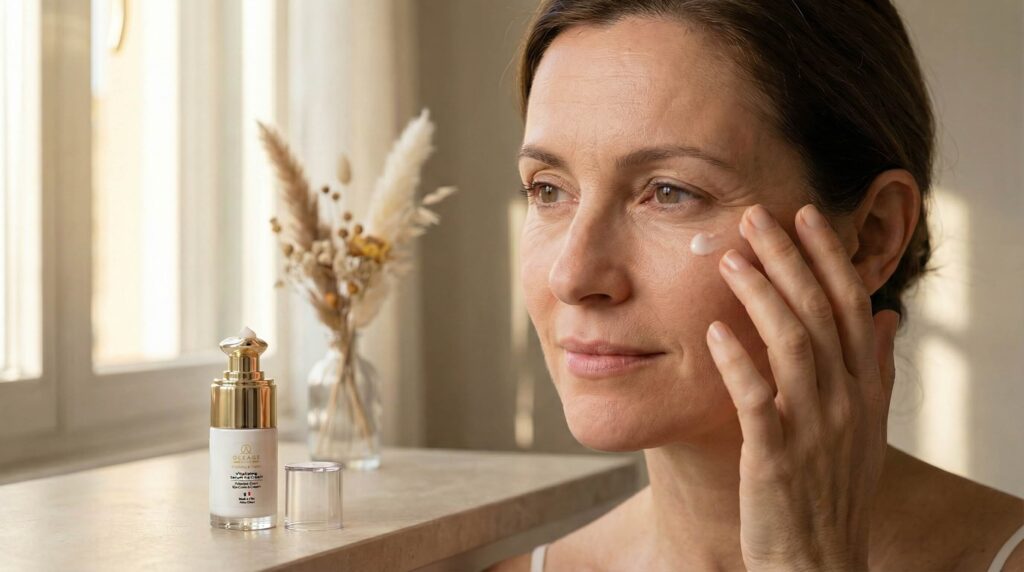
How to use them best? Apply them after cleansing, on slightly damp skin. This way, they help keep the skin hydrated and healthy, creating a soft seal that prevents water loss.
Practical plan:
Morning: gentle cleanser from the Oleage Pro line. Use a minimal amount of Oleage Biotech face cream (from age 30+) or Oleage Classic (if you are over 50).
Evening: gentle cleanser from the Oleage Pro line. Use a minimal amount of Oleage Biotech face cream + two drops of Oleage Biotech Serum (from age 30+) or Oleage Classic + two drops of Oleage Classic Serum (if you are over 50).
For dehydrated skin around the eyes and lips, use—at any time of day when you feel that “tight skin” sensation—one of the Oleage Eye and Lip Contours, according to your age.
After just a few days, you’ll notice your skin becoming more elastic, the texture smoother, and the radiance more natural.
For anyone looking for essential skincare remedies: you don’t need to fill your bathroom with products. All you need is a gentle cleanser and a face cream with the right humectant and lipid. Consistency, more than complexity, is what delivers results.
Marta, 46 years old, teacher, last winter: dry and cracked skin on her cheeks, redness around the nose, evening itchiness. Her self-made routine: hot water, mechanical scrub twice a week, a very acidic vitamin C serum, and a light cream in the morning. In the evening: cleansing with a liquid facial soap to remove makeup, followed by a gel serum. During our consultation, we identified the causes of her dry skin: water that was too hot, excessive exfoliation, overly aggressive cleansing, too few lipids, and a dry school environment.
I suggested a simple 4-week treatment plan for her dry skin.
Protocol:
1.Morning and evening cleansing with the gentle Oleage Pro cleanser
2.Morning and evening application of Oleage Classic Cream with the addition of two drops of Oleage Classic Serum
3.Application of Oleage Classic Eye and Lip Contour as needed during the day (especially on the lips and when the air is very dry)
What worked? Simplifying, repairing the barrier, and layering with intention. This case shows how various natural remedies that may seem basic—when paired with well-formulated creams and serums—can soothe dry skin and improve comfort and radiance. You don’t need to overdo it: you just need to listen to your skin and respect its pace.
At this point, the picture is clear: dry skin is often a story of a weakened barrier, micro-fractures, water loss, and a hostile environment. The solution isn’t an endless list of products but a simple strategy: gentle cleansers, humectants to bind water, and water-free lipids to seal and rebuild. Oils, butters, and waxes—at the core of the Oleage approach—help mend what age and daily stress loosen, restoring comfort and elasticity. With consistency, healthy skin reappears: less rough, brighter, and more resilient to changes.
If you’re wondering where to start, begin with two steps: reduce the aggressors (water that’s too hot, harsh cleansing, excessive exfoliation) and use a cream rich in lipids and hyaluronic acid. In two to three weeks, the skin usually changes tone: the texture evens out, the tight-skin sensation fades, and makeup applies more smoothly. The goal isn’t just aesthetic: it improves your skin’s health and the quality of your daily life.
Now it’s your turn: look at your face in the mirror, identify the areas that need attention, and build a consistent ritual. If you want to dive deeper or have questions, write to me ([email protected]): a tailored routine makes the difference between “managing” and “solving.” The path to hydrated and protected skin starts with small daily actions done well.
Come leggere l’INCI dei cosmetici: guida pratica per capire cosa utilizzi Capire come leggere INCI cosmetici significa imparare a guardare la formula con occhi più liberi. Non serve conoscere ogni nome a memoria: basta sapere come sono ordinati gli ingredienti,
Crema viso biologica fa bene? Cosa sapere prima di sceglierla Una crema viso biologica fa bene quando è formulata bene, certificata in modo chiaro e adatta al tuo tipo di pelle. Non è automaticamente migliore di ogni crema tradizionale o
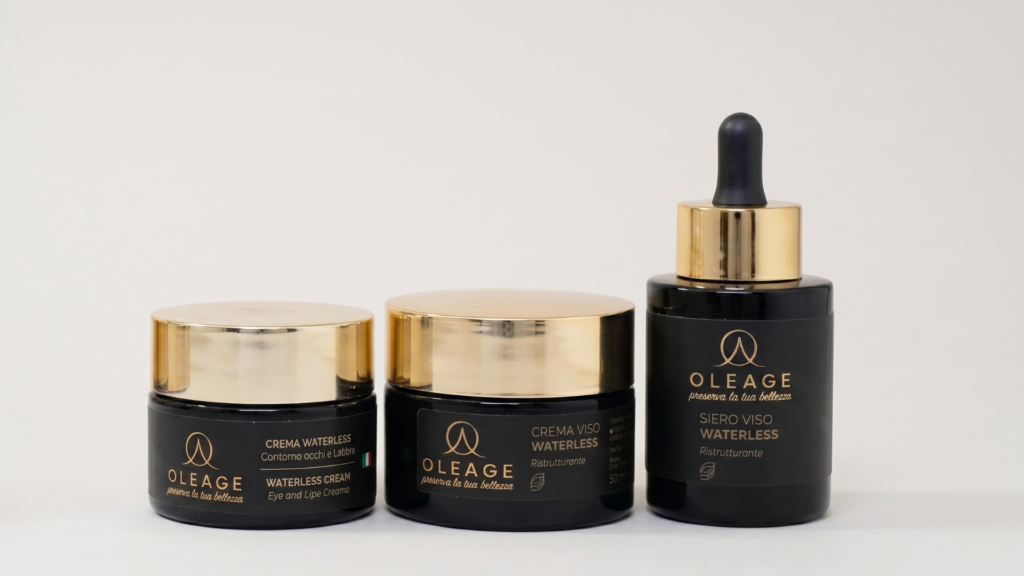
Meglio crema idratante o nutriente? Qual è la differenza e cosa scegliere per la tua pelle Se ti stai chiedendo se è meglio una crema idratante o nutriente, probabilmente la tua pelle ti sta mandando segnali poco piacevoli: tira, si


Subscribe to our newsletter, enter your email:
Via F. Gregorovius 52, Perugia (PG)
VAT 03875550547
Subscribe to the newsletter to get a 15% discount on your next order